How Planetary Geology Differs from Earth’s Understanding of Terrestrial Processes and Beyond
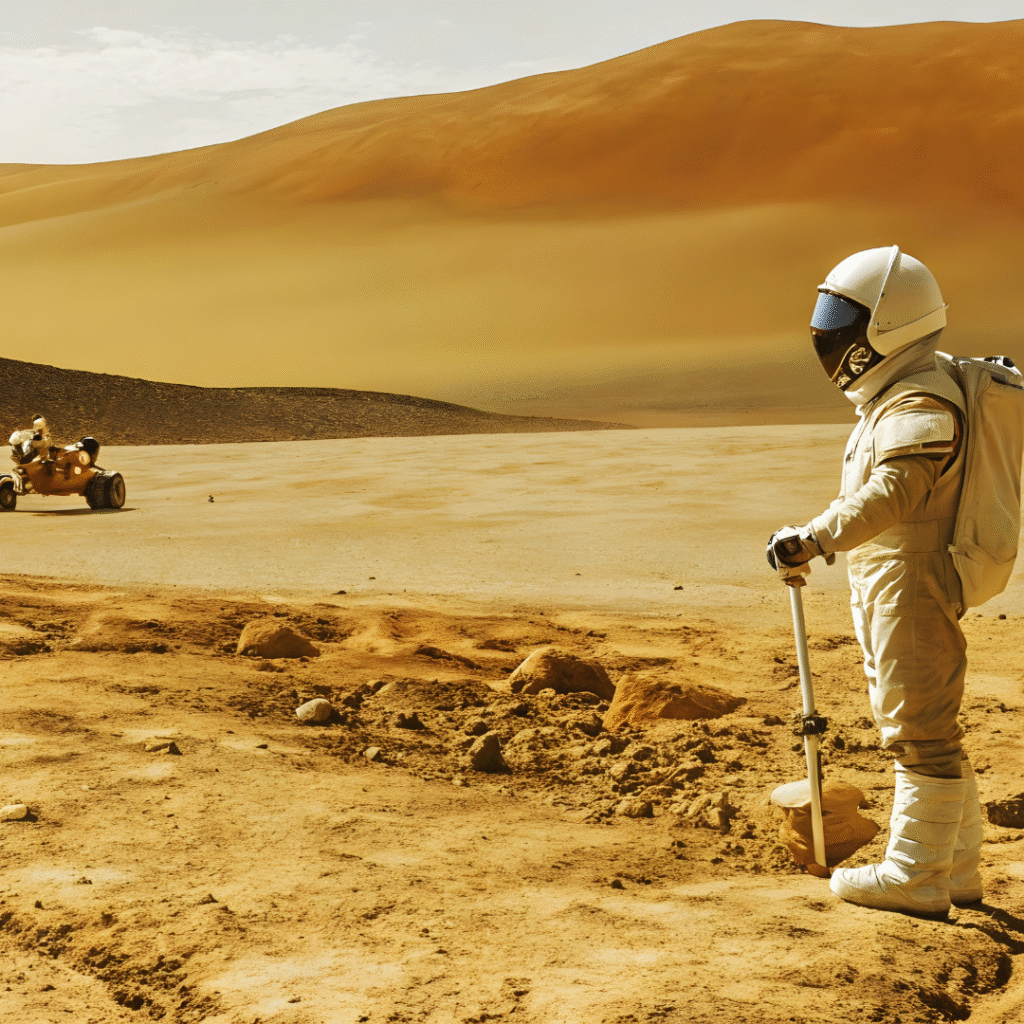
Planetary geology studies the composition, structure, and processes of planets and other celestial bodies beyond Earth. It differs from Earth’s geology because each planetary body has unique conditions like gravity, atmosphere, and temperature that shape its surface and interior in distinct ways. The key difference is that planetary geology must account for a wider variety […]
How Planetary Exploration Fuels Space Innovation, Driving Technological Advancements Beyond Earth
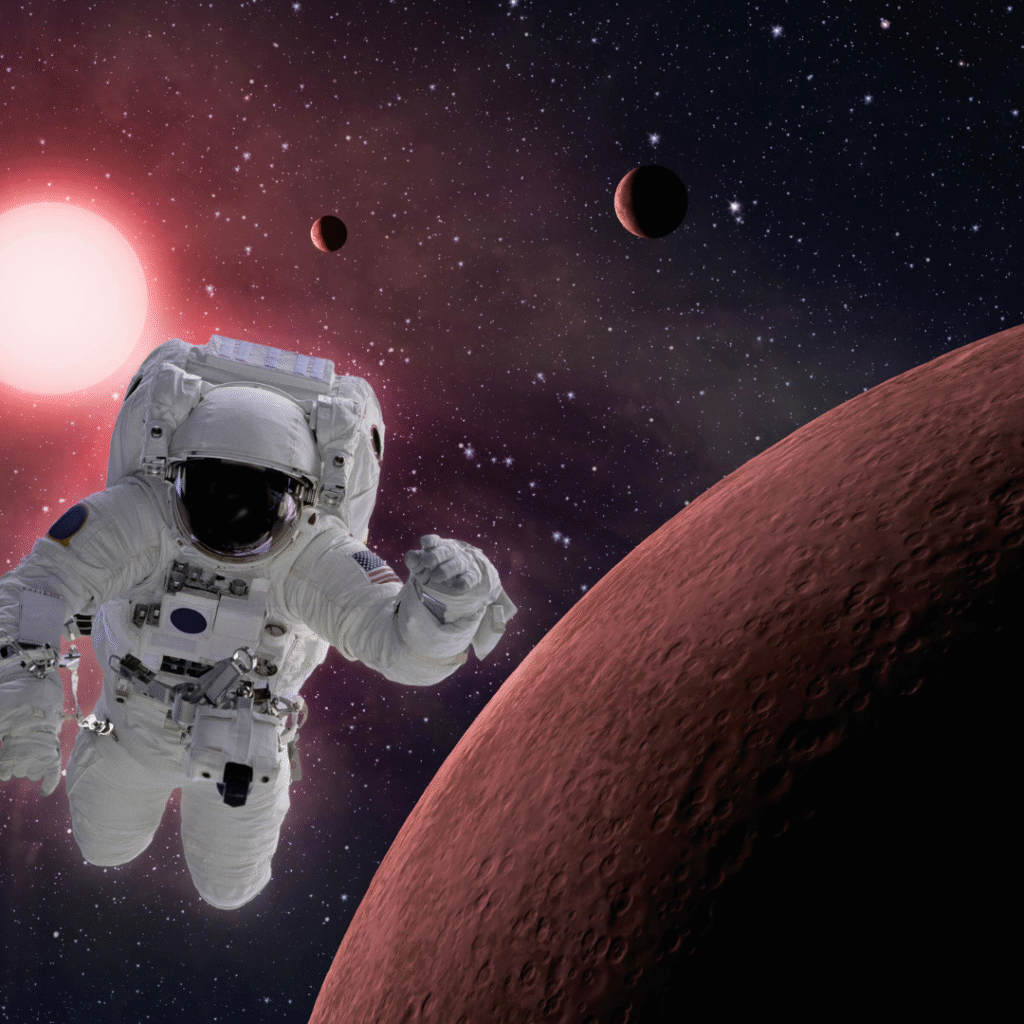
Planetary exploration drives technological advancements by challenging engineers and scientists to develop innovative solutions for harsh and unpredictable environments. These missions demand new materials, propulsion systems, and robotics that often find applications beyond space travel. Exploring other planets accelerates space innovation by pushing the boundaries of current technology and inspiring breakthrough discoveries. This continuous cycle […]
How Planetary Alignments Influence Scientific Observation: Understanding Their Impact on Research Accuracy
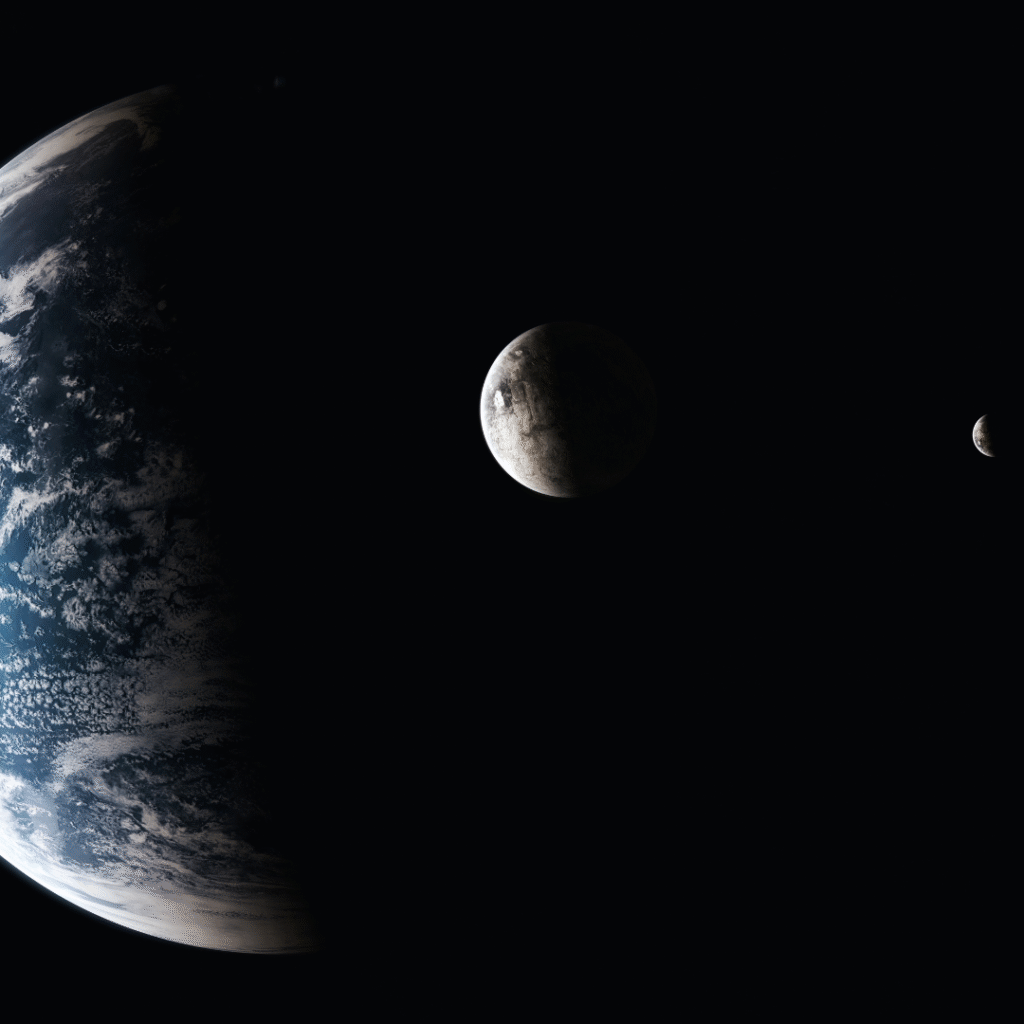
Planetary alignments, the relative positions of planets, have subtle effects on scientific observation. They can impact the precision of instruments and the clarity of data collected, especially in astronomy and space exploration. These alignments influence observations by altering gravitational forces and electromagnetic fields, which can cause minor but measurable shifts in data accuracy. Understanding these […]
How Europa May Hold Signs of Extraterrestrial Life: Evidence From Icy Moons and Ocean Worlds
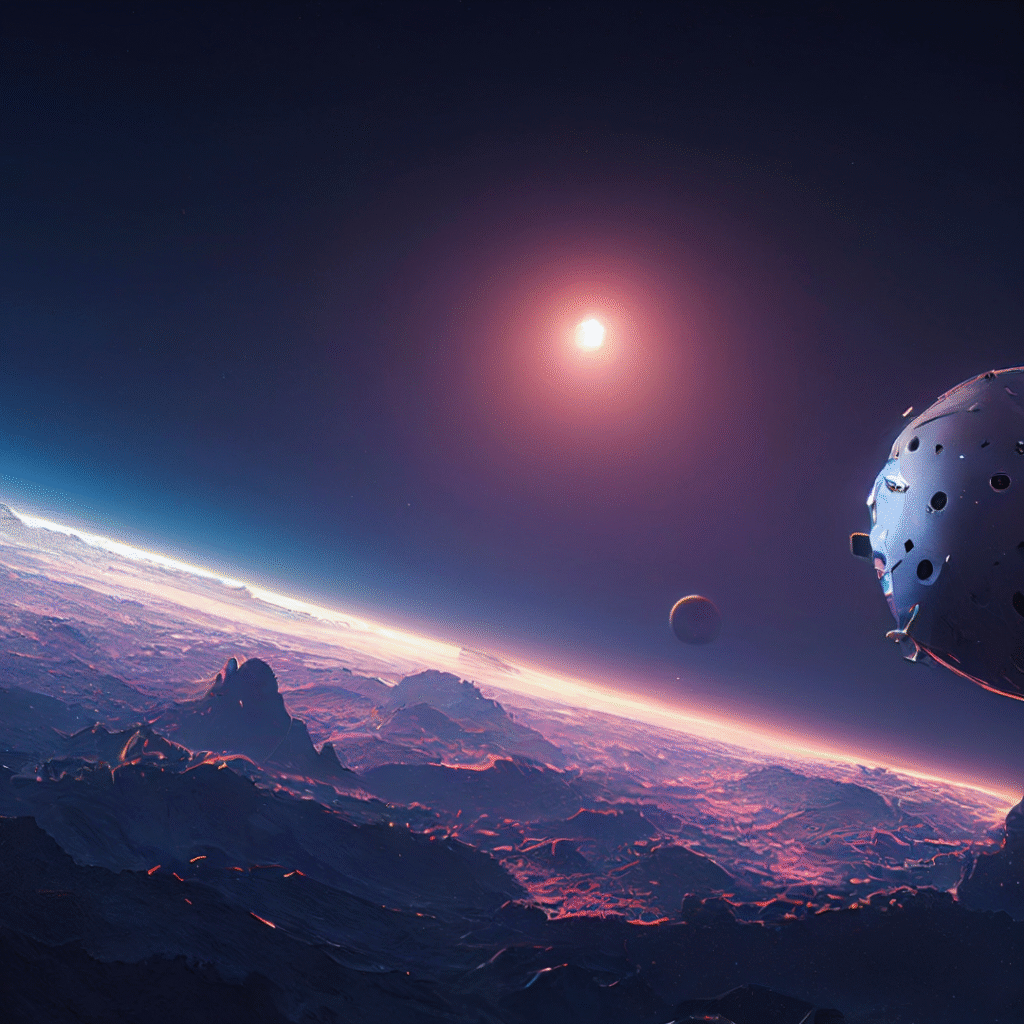
Europa, one of Jupiter’s moons, fascinates scientists because it has a thick ice crust covering a vast ocean of liquid water beneath. This environment is considered one of the most promising places in the solar system to search for extraterrestrial life. The presence of liquid water beneath Europa’s icy surface, combined with the essential chemical […]
How Black Holes Challenge Our Understanding of Physics and Redefine Cosmic Laws
Black holes are regions of space where gravity is so intense that nothing, not even light, can escape. They push the boundaries of physics because the rules that govern the universe seem to break down inside them. They challenge our understanding by creating conflicts between Einstein’s theory of relativity, which explains gravity, and quantum mechanics, […]
Beginner’s Guide to Understanding Planetary Transits in Astrology

Planetary transits play a crucial role in astrology, influencing events and emotions in individuals’ lives. Understanding how these transits interact with personal astrological charts can provide valuable insights into opportunities and challenges ahead. By grasping the basic principles of transits, beginners can start to comprehend how celestial movements affect their everyday experiences. Astrology enthusiasts often […]
What We Know About Black Holes: Insights from Recent Research
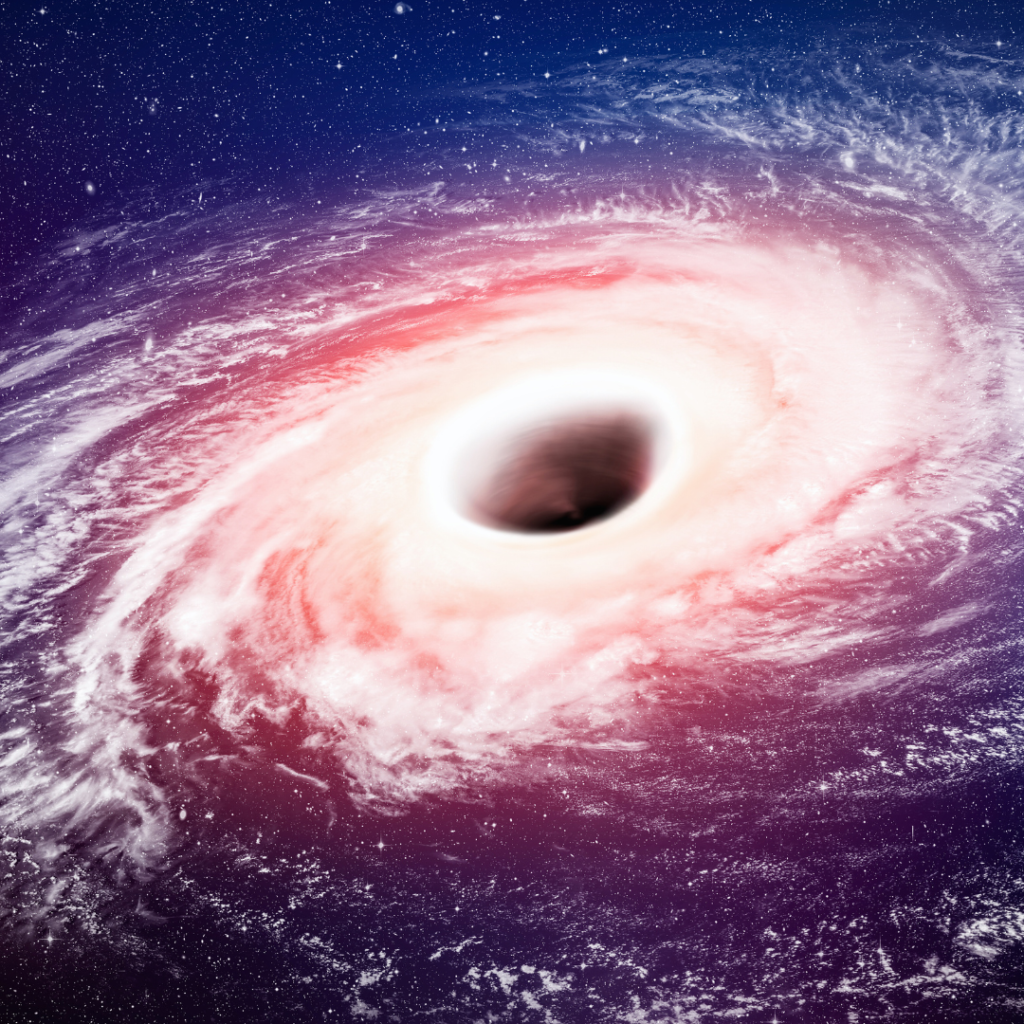
Black holes remain one of the most intriguing phenomena in astrophysics, captivating the imaginations of scientists and enthusiasts alike. Current understanding indicates that black holes are regions in the universe where gravity is so strong that nothing, not even light, can escape their pull. Their formation typically results from the collapse of massive stars, and […]
The Search for Extraterrestrial Life: Exploring the Universe for Signs of Intelligence
The quest for extraterrestrial life has captivated humanity for centuries, driving scientific inquiry and inspiring countless stories in literature and film. With advancements in astrobiology and technology, researchers are now more equipped than ever to explore the possibilities of life in the universe. The search for life beyond Earth is not merely a hypothetical question; […]
How the Solar System Was Formed: Exploring the Origins and Processes Behind Its Creation
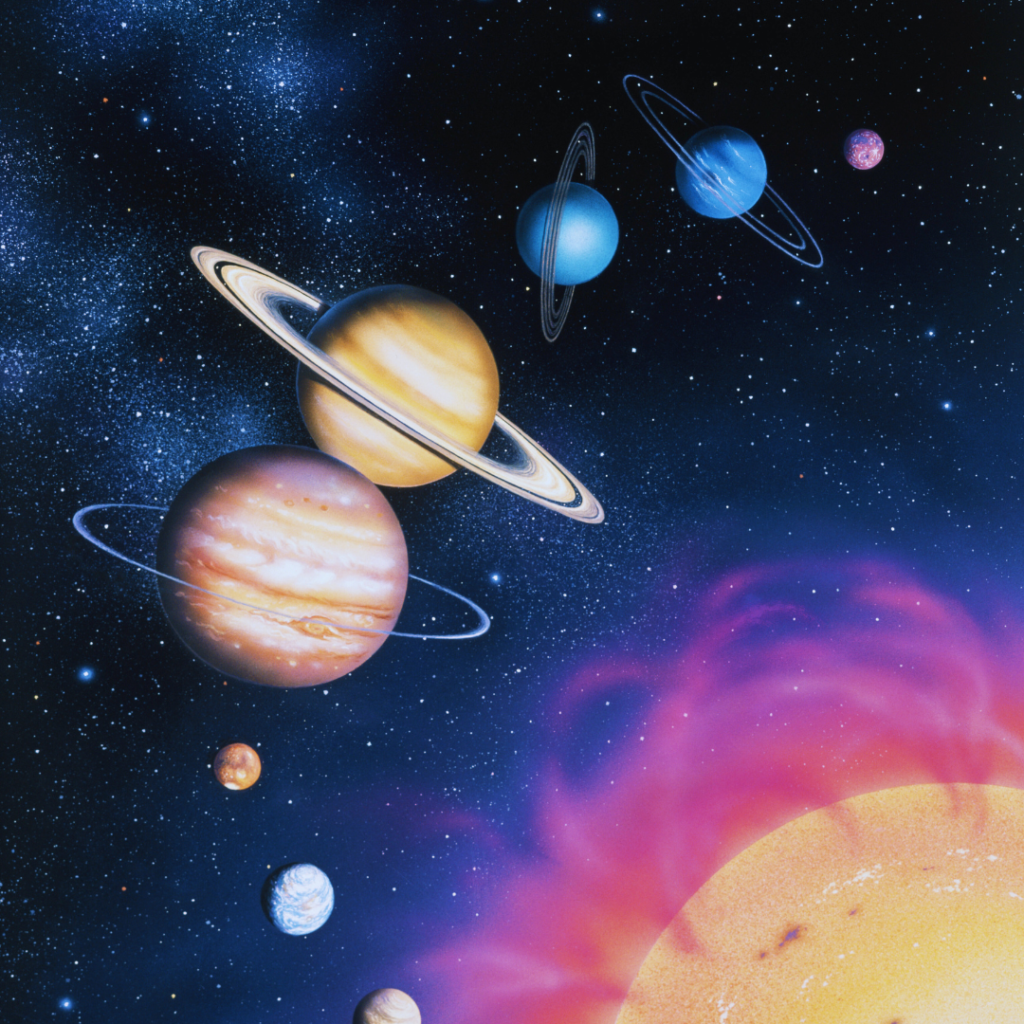
The solar system’s formation is a captivating journey of cosmic evolution that began around 4.6 billion years ago. It originated from a massive cloud of gas and dust, known as a solar nebula, which collapsed under its gravity to form the Sun and the planets. This process involved the intricate interactions of forces that led […]